
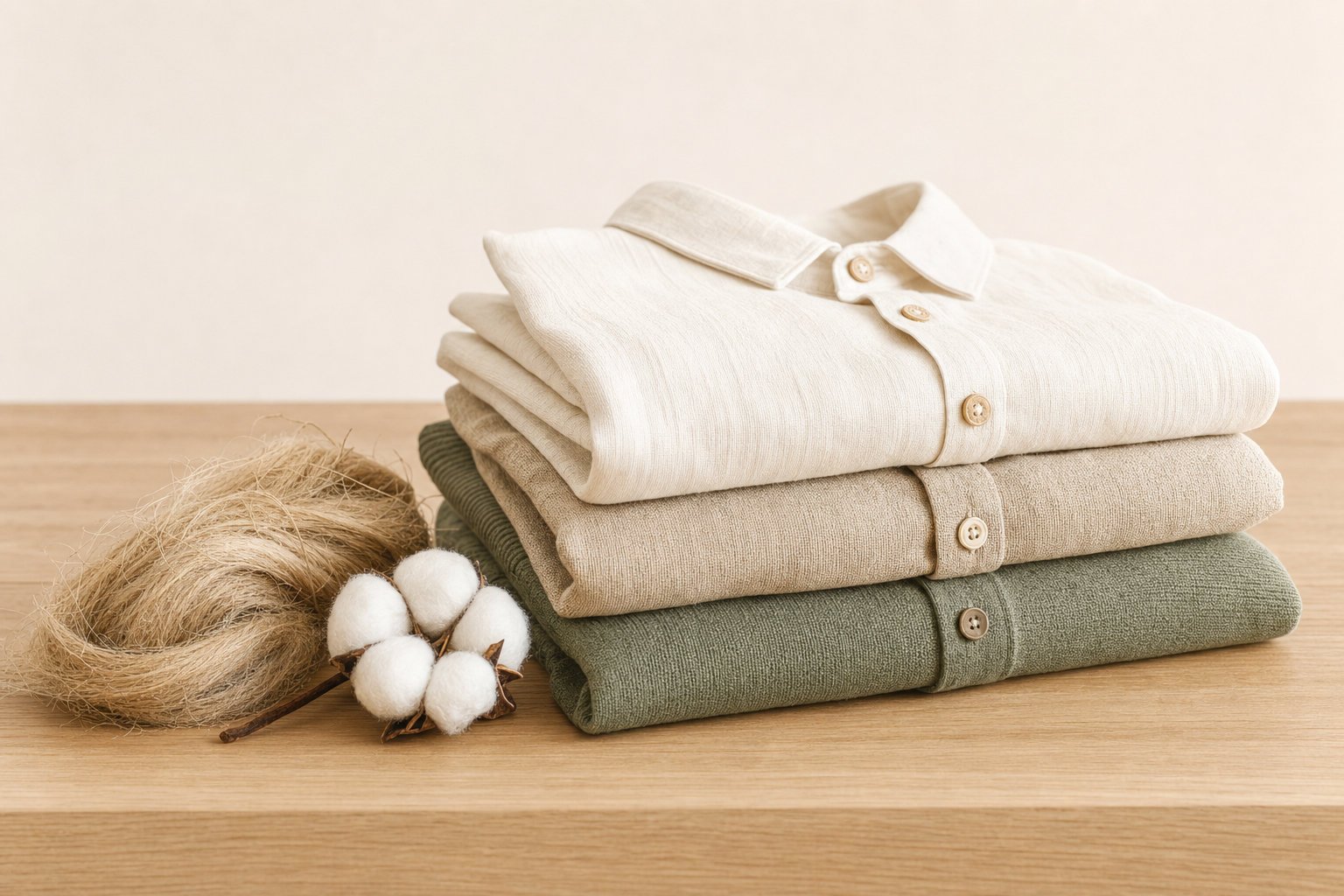
Natural fibers are seeing renewed interest as people look for everyday garments that prioritize comfort, skin health, and versatile style. The subtle appeal of quiet wardrobe staples crafted from nature-based textiles is shaping how essentials are designed and worn. Shifts in consumer preference are redefining what it means to dress well day to day.
Interest in natural materials for daily basics is rising, connecting comfort with mindful choices in clothing. Many seek options that feel good against the skin and perform reliably, especially as activities and routines blur between work, home, and travel. Discerning shoppers increasingly research fiber content and construction before purchasing, often comparing damen shirts online to get a sense of fit and fabric. The resurgence of understated, natural-fiber basics reflects a growing desire for dependable clothing that fits diverse lifestyles.
Understanding natural materials and common blends
Clothing described as “natural” typically features fibers like cotton, wool, linen, or hemp, all sourced from plants or animals with minimal processing. These natural fibers differ from regenerated fibers, such as viscose or modal, which start with cellulose but are chemically altered during production.
In daily wear, blends are frequent to combine benefits such as stretch, durability, and easy care. A shirt may use a mix of cotton and elastane for comfortable movement, or combine wool with synthetics for improved shape retention. Blending natural fibers helps balance softness, longevity, and maintenance requirements without sacrificing comfort.
Key fibers and their impact on comfort
Merino wool is known for its temperature-regulating qualities and odor resistance, making it popular for year-round layers. Its fine fibers offer warmth in cool weather while wicking moisture when temperatures rise, which can help with comfort in varying conditions.
Organic cotton is a mainstay in daily basics due to its breathability and soft feel. Preference for organic varieties is often driven by lower chemical input during cultivation, appealing to those who want gentle options close to the skin. Linen and hemp also attract attention for their open weaves, sturdy structure, and cool-wearing properties.
Modern design trends and practical criteria
Designers update classic shapes by experimenting with boxy or relaxed silhouettes and exploring heavier fabric weights. Refined finishes and a restrained color palette contribute to versatile pieces suited for repeat wear, which can benefit those assembling a streamlined wardrobe. Seam placement and finishing may reduce friction, which matters for people sensitive to touch or prone to irritation.
Shoppers compare fit, fabric weight, and signs of long-term wear, such as pilling or shrinkage, to make informed decisions. Fabric descriptions and care instructions can help you judge a garment’s practicality before purchase. Paying attention to transparency and certifications also supports choices aligned with comfort and longevity